


Whether you run a small business, manage help at a growing company, or track buyer happiness at a company, you’ve probably typed “AI chatbots vs ChatGPT” into Google at some point. It’s a real question. ChatGPT is the name everyone knows, but knowing its name is not the same as knowing it’s the right tool for your business.
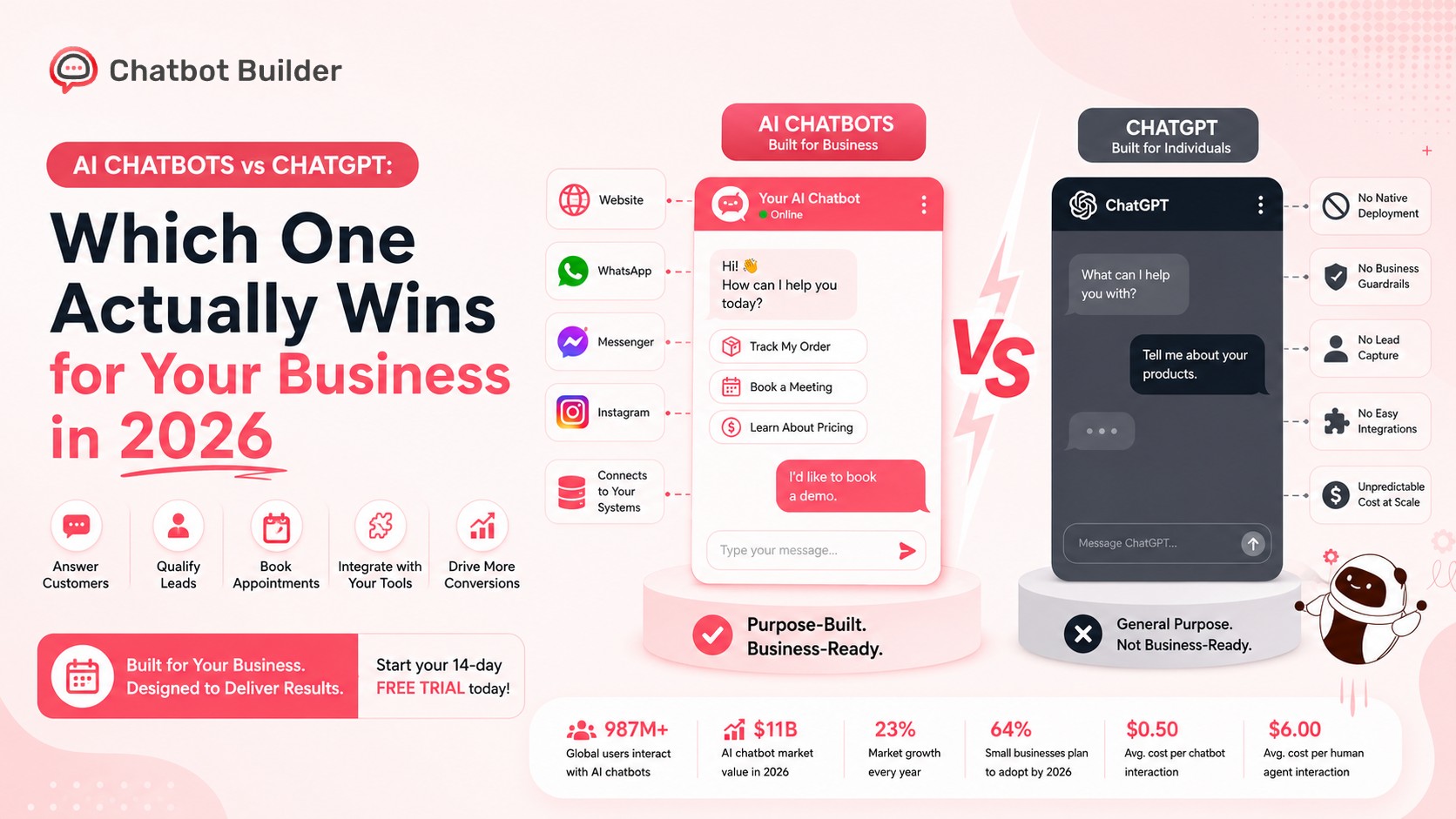
Here is the honest comparison. ChatGPT is a brilliant general-purpose assistant built for individual use. AI chatbots built specifically for business, the kind that live on your website, answer customer questions, qualify leads, and connect to your existing systems, are a different category of tool entirely. When it comes to real business deployment, purpose-built AI chatbots usually win, and the data below explains why.
AI Chatbots vs ChatGPT: The Core Difference
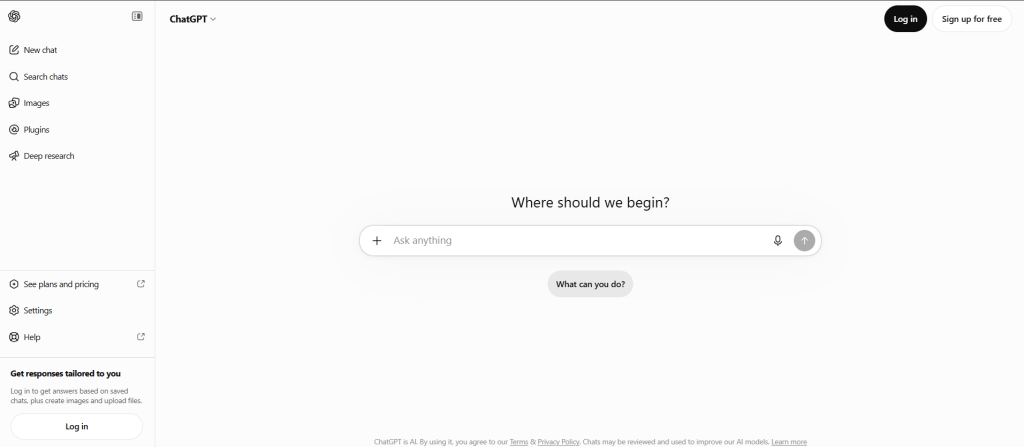
ChatGPT developed as a tool to function as a conversational assistant for a single user. It exists within a messaging interface on the platform or site owned by OpenAI. The software does not include the internal architecture required for placement on a company homepage or for exclusive training on a specific inventory of products. It lacks the built-in capability to link to a reservation framework unless an engineer performs extensive manual programming.
Dedicated AI chatbots are different because engineers construct those systems specifically to operate within a commercial organization. The software learns from the private data of a firm. The system functions on a public webpage, WhatsApp, Messenger, or Instagram. It maintains a direct connection to active management software, including a customer relationship management database, a support platform, or a scheduling application – this contrast appears minor in written form – but the structural variation explains why entrepreneurs choose between specific AI chatbots & ChatGPT.
Where ChatGPT Still Leads
The artificial intelligence tool ChatGPT gained a significant standing among users through documented performance. OpenAI stated that the software reached 900 million individuals who use the service weekly by March 2026. Data from Sensor Tower, which Reuters cited, showed that the application exceeded 1 billion monthly users in June 2026 – this rate of growth represents the shortest duration for any retail software to reach such a large user base. Because so many individuals use the tool, the system processes a wide variety of inquiries. The system possesses a broad database of facts and a high capacity for generating text.
As a tool for private study, creating initial document versions, generating ideas, or asking single questions, ChatGPT is effective. There is no disagreement regarding those capabilities.
Why AI Chatbots Beat ChatGPT for Actual Business Use
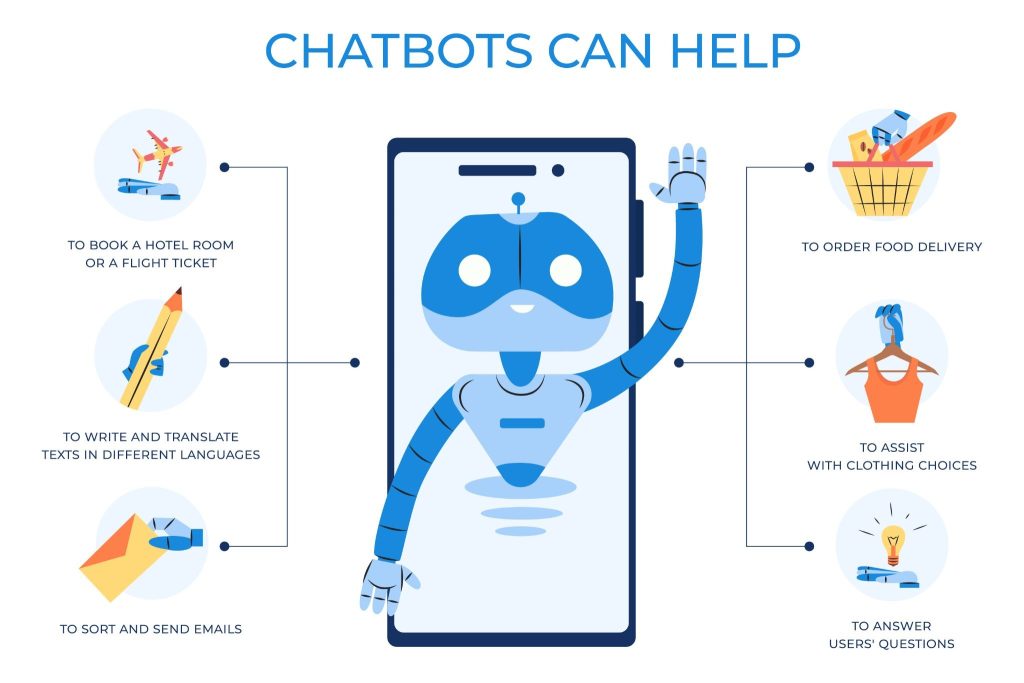
The problem starts the moment a business tries to put ChatGPT to work as a customer-facing tool. A few gaps show up quickly.
No native deployment. ChatGPT does not simply drop onto your website or WhatsApp. To implement the system for specific business functions, a company must secure API access, employ software engineers, and provide continuous technical support. A specialized artificial intelligence chatbot platform provides a pre-constructed interface, a WhatsApp link, or a Messenger connection immediately.
No built-in guardrails for your business. ChatGPT frequently discusses unrelated subjects, makes guesses, or provides information that a company does not want to present to customers. The developers of specialized AI chatbots train and limit the systems to use only the specific data of a business. Because of those restrictions, the provided information remains correct and consistent with the identity of the company.
No lead capture or booking logic. A generic AI chat window does not know how to qualify a lead, collect an email, or book a calendar slot. Business chatbot platforms are built around exactly those conversion actions.
No easy integration with business systems. Connecting ChatGPT to your CRM, helpdesk, or order database is a development project. A dedicated chatbot platform typically offers this as a setting, not a build.
Unpredictable cost at scale. ChatGPT’s business tiers charge per seat, which adds up fast once support volume grows. Purpose-built chatbot platforms are usually priced around conversation volume or business size, which scales more predictably for small and medium businesses.
The Data Behind AI Chatbots for Business
This is not just an opinion. The numbers on business chatbot adoption back it up clearly.
The total value of the international market for artificial intelligence chatbots is approximately 11 billion dollars in 2026. According to Grand View Research & Mordor Intelligence, the sector increases its value by about 23 percent every year. There are over 987 million individual users who communicate with artificial intelligence chatbots across different nations.
In the category of small companies, 64 percent of owners intend to implement artificial intelligence chatbots by the conclusion of 2026 – this is a higher proportion than the 38 percent recorded in 2024. Large corporations already use those technologies at a rate that exceeds 90 percent.
The return on investment is measurable too. Salesforce reports that artificial intelligence manages 30 percent of customer service requests currently. It is expected that this number will reach 50 percent by the year 2027. The average price for one chatbot interaction is approximately 0.50 dollars – but a service worker manages an interaction for around 6 dollars.
Comparing the figures reveals a large difference in price when the total number of interactions increases. Gartner predicts that conversational artificial intelligence reduces the money spent on employees in contact centers by 80 billion dollars. And the firm estimates that 40 percent of software for large organizations will contain artificial intelligence agents for specific tasks. Under 5 percent of those applications contained such agents during the previous year.
None of that data is about ChatGPT specifically. It is about AI chatbots built to do a job inside a business, which is exactly the category dedicated platforms serve, and general assistants like ChatGPT were never built for.
AI Chatbots vs ChatGPT By Business Size
Small business: A small business rarely has a developer on staff to wire up ChatGPT’s API, manage prompts, and keep answers accurate. A ready-made AI chatbot that can be trained on your website content in an afternoon and deployed the same day is the realistic option.
Medium business: The management of businesses that increase in size requires uniform responses across customer service, revenue departments, and various communication paths simultaneously. Dedicated AI chatbots that link to a support database and a customer relationship management system maintain that uniformity without hiring additional staff members whenever the number of inquiries increases.
Enterprise: Large organizations require authority over information, adherence to regulatory standards, records of system changes plus connections with current business software. Platform developers design specific AI chatbots to satisfy those technical needs from the beginning of the creation process – but an attempt to modify a basic digital assistant to reach the same functional standard involves a larger amount of technical labor by internal software developers.
AI Chatbots vs ChatGPT: What Should You Actually Use
Use ChatGPT for personal productivity, research, writing help, and internal brainstorming. It is a genuinely useful tool for individuals.
Use a dedicated AI chatbot when customers, leads, or support tickets are involved. For any business goal that requires answering customers accurately, capturing leads, booking appointments, or plugging into the software you already run, purpose-built AI chatbots are the stronger, faster, and more cost-predictable choice, and the adoption data above shows the market has already reached the same conclusion.
Conclusion
The AI chatbots vs ChatGPT debate is not really about which tool is smarter. ChatGPT is a capable general assistant, and it will likely stay that way. The real question for a business owner is which tool is actually built to sit on your website, answer your customers correctly, capture a lead, book an appointment, and connect to the systems you already run without months of custom development.
On that question, the answer is clear. Business adoption numbers back it up, from 987 million global chatbot users to 64 percent of small businesses planning adoption by the end of 2026, and the cost and resolution data show why. If your goal is customer-facing automation rather than personal productivity, a purpose-built AI chatbot is the tool made for that job, and ChatGPT simply was not.
The most practical next step is not choosing one tool forever. It is matching the tool to the task. Keep ChatGPT for personal and internal work, and bring in a dedicated AI chatbot the moment customers, leads, or support volume enter the picture.
Start your 14-day free trial with Chatbotbuilder.net today!
Frequently Asked Questions
Are AI chatbots better than ChatGPT for business?
For customer-facing tasks like support, lead capture, and bookings, yes. Purpose-built AI chatbots integrate with business tools and deploy faster than adapting ChatGPT for the same job.
Can I use ChatGPT as my business chatbot?
Technically yes, but it needs API access, developer setup, and ongoing prompt management. A dedicated AI chatbot platform gives you the same result with far less work.
How much do AI chatbots cost compared to ChatGPT for business?
Business chatbot platforms often price by conversation volume, which scales predictably. ChatGPT’s business plans charge per seat, which can grow expensive as your team scales.
Do small businesses really need an AI chatbot?
Yes. 64 percent of small businesses plan to adopt one by the end of 2026, largely because chatbots cut support costs and respond around the clock.
What is the biggest difference between AI chatbots and ChatGPT?
AI chatbots are trained on your business data and deploy directly on your channels. ChatGPT is a general assistant not built for customer-facing deployment out of the box.